Your Content, Optimized. Your Brand, Elevated.
Whats a Brand Archetype and how does it help me?
Set yourself apart while remaining true to you. A guide to branding your business or craftsmanship and aligning your messaging.
10/20/20253 min read
What Is a Brand Archetype?
A brand archetype is a framework used to shape the messaging, tone, and imagery of a brand — whether it’s a company, organization, or personal brand. Archetypes communicate the essence of who you are and what people can expect from you. They define your brand’s “personality,” creating a world your audience can identify and want to be part of.
When you build a business or offer a service, you’re inviting people into an experience — your brand. That’s exciting but also challenging, because you need to stand out among thousands of others offering something similar.
Since people naturally form impressions to make quick decisions, identifying the brand archetype that resonates most with you is a helpful way to clarify what you stand for and craft imagery and messaging that authentically reflect you. This alignment helps you connect with your audience on a deeper, more genuine level.
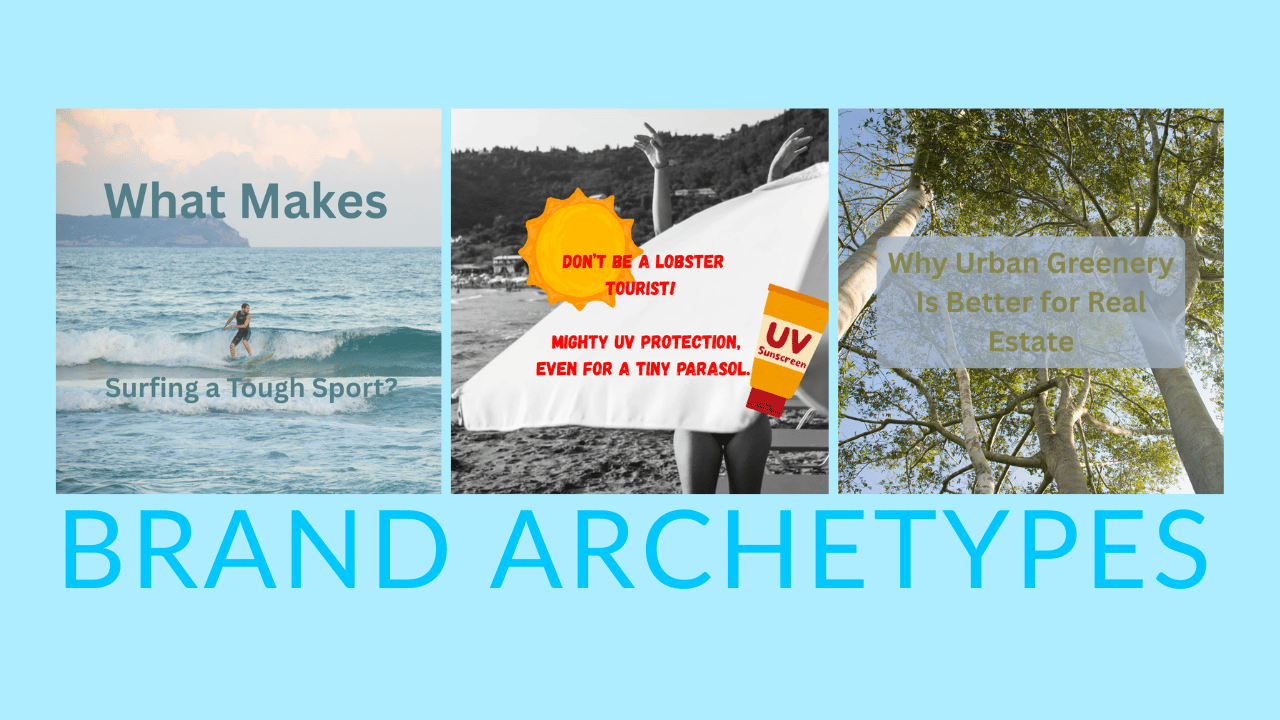
Take a look at the header image of this blog post. By the end of the article, see if you can guess which image style represents which brand archetype.
Finding Your Brand Archetype
It’s best to focus on one main archetype for clarity. You can blend in a secondary archetype if it complements your primary one — but avoid mixing too many, or your message may become confusing.
Below are the 12 Brand Archetypes and what they represent:
1. The Explorer
Driven by curiosity, courage, and adventure. Explorers seek freedom, discovery, and challenge.
Examples: Travel brands, outdoor gear companies, scientific research organizations, or creative artists who constantly experiment and push boundaries.
Keywords: Freedom – Discovery – Adventure.
2. The Creator
The visionary craftsman who celebrates imagination, innovation, and originality. Creators inspire others to express themselves and think differently.
Examples: Adobe, Pixar, Apple.
Keywords: Creativity – Inspiration – Possibility.
3. The Magician
Visionary and transformative, Magician brands inspire wonder and change. They help people see the world differently and unlock new potential.
Examples: Dyson (creative engineering), Disney (magic and awe).
Keywords: Transformation – Wonder – Imagination.
4. The Everyman
Relatable, down-to-earth, and genuine. The Everyman connects through authenticity and belonging. These brands feel approachable, warm, and inclusive.
Examples: IKEA, lifestyle creators, musicians, or community-driven artists.
Keywords: Connection – Dependability – Simplicity.
5. The Sage
Wise and knowledgeable, the Sage exists to teach, guide, and reveal truth.
Examples: BBC, CNN, National Geographic, educational brands, psychologists, Education based NGOs, or community organizations that educate and inform. Content creators, teachers, and mentors can also embody this archetype.
Keywords: Truth – Wisdom – Insight.
6. The Lover
Romantic, sensual, and passionate. Lover brands celebrate beauty, desire, and emotional connection.
Examples: Victoria’s Secret, Chanel, Godiva, fine art, or luxury photography brands.
Keywords: Passion – Beauty – Intimacy.
7. The Hero
Bold, determined, and inspiring. Hero brands empower people to overcome challenges and become stronger.
Examples: Nike (“Just Do It”), Adidas, Under Armour.
Keywords: Bravery – Strength – Achievement.
8. The Outlaw
Rebellious, bold, and disruptive. Outlaws challenge norms and do things differently.
Examples: Harley-Davidson, Banksy, Billie Eilish, Lady Gaga.
Keywords: Revolution – Freedom – Rebellion.
9. The Jester
Fun, playful, and optimistic. Jester brands bring joy and remind us not to take life too seriously. They communicate with humor and light-hearted visuals.
Examples: Old Spice, TUSHY.
Keywords: Humor – Joy – Lightheartedness.
10. The Caregiver
Compassionate, nurturing, and supportive. Caregiver brands aim to protect and comfort others.
Examples: UNICEF, WWF, MedTech companies, or The Good Roll, which embodies care through sustainability and social impact.
Keywords: Compassion – Safety – Support.
11. The Ruler
Authoritative, confident, and in control. Ruler brands create structure, set standards, and project leadership.
Examples: BMW, Rolex, Microsoft, and FinTech companies focused on financial management, investment, and risk control.
Keywords: Power – Control – Excellence.
12. The Innocent
Pure, optimistic, and joyful. Innocent brands promote simplicity, goodness, and happiness.
Examples: Beauty, wellness, and yoga brands centered on peace and positivity. Artists, singers, or dancers with uplifting messages often fit this archetype.
Keywords: Simplicity – Optimism – Purity.
Bringing It All Together
Understanding your brand archetype helps you clarify your message, attract your ideal audience, and create a consistent experience across every touchpoint — from visuals to voice.
When your archetype aligns with your values and your audience’s needs, your brand feels naturally authentic and memorable.
If you’d like support developing your brand identity, refining your website, or planning your next photoshoot, feel free to book a call below — let’s craft a brand that truly reflects your essence.
So can you guess which brand archetypes align the most with which image in the header?
Image 1: What Makes Surfing a Tough Sport?
Brand Archetypes: Hero & Explorer
Why: The messaging emphasizes the physical and mental challenges of surfing, encouraging the audience to take on bold, adventurous activities. The Hero element inspires courage and achievement, while the Explorer invites curiosity, freedom, and the pursuit of new experiences.
Image 2: Don’t Be a Lobster Tourist
Brand Archetype: Jester
Why: This image uses humor and playful messaging to engage the audience. It’s lighthearted, fun, and memorable — classic Jester traits that make learning about UV protection entertaining.
Image 3: Why Urban Greenery Is Better for Real Estate
Brand Archetypes: Sage & Caregiver
Why: The messaging focuses on educating the audience while highlighting social and environmental benefits. The Sage archetype provides wisdom and insight, while the Caregiver emphasizes community well-being and nurturing impact.
Contact
Connect with me.
Privacy Policy
© 2025. All rights reserved.
contact@myseastudio.com
Returns Policy