Your Content, Optimized. Your Brand, Elevated.
The Power of Body Language in Portrait Photography: How Posture and Expression Speak Louder Than Words
Body language is one of the most powerful communicators in photography. You can instantly tell whether someone is tense, confident, or calm just by their posture and expression. That’s why your body language matters in portraits — it’s essential to decide what you want to communicate and ensure your images reflect that message.
10/11/20253 min read
📸 Understanding Body Language and Camera Presence in Photography
Images are powerful non-verbal communicators.
Posture, gestures, and facial expressions can instantly convey confidence, openness, or introspection — often more effectively than words. For photographers, learning how body direction, facial orientation, and hand placement affect perception can transform how a subject’s personality is portrayed online. People respond to non-verbal cues — posture, gestures, facial expression — which can communicate confidence, approachability, and professionalism. Finding good poses for your photos for online purposes are useful to communicate personality.
Part 1: Posing
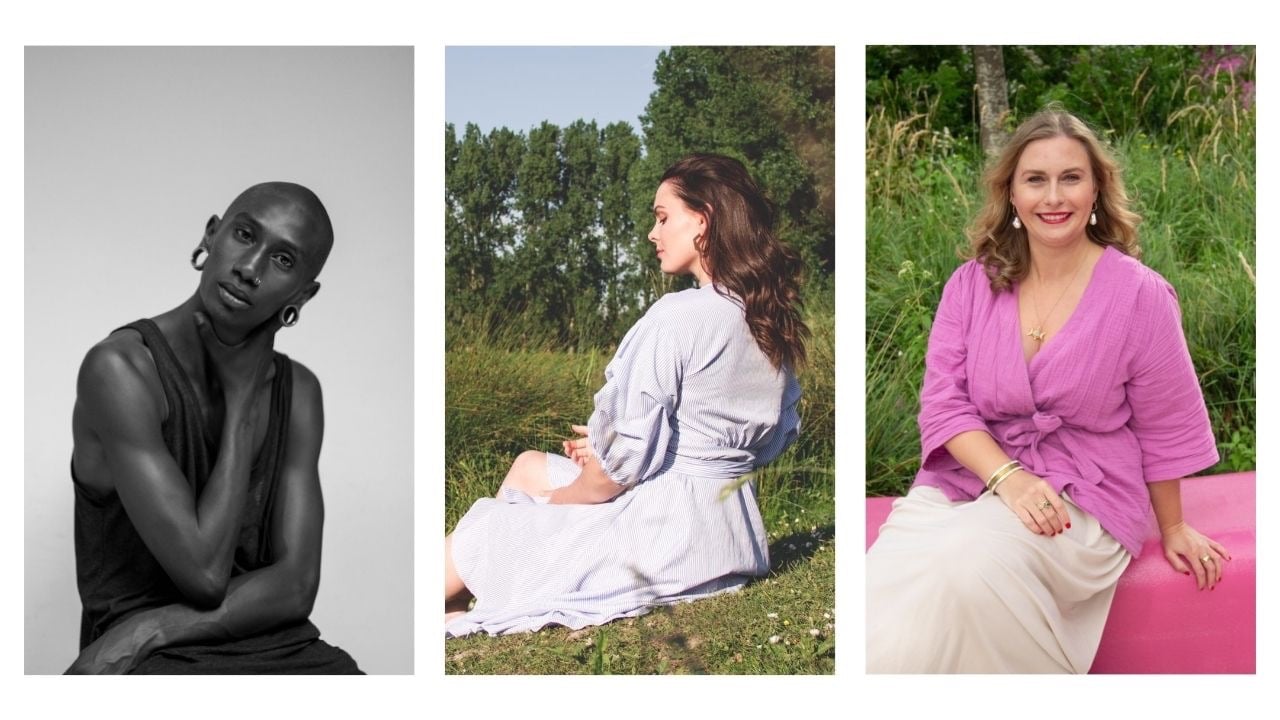
Different poses express distinct emotional tones.
Left image: The subject’s arms cross slightly over the chest, a pose that often conveys thoughtfulness or self-containment. Psychologically, this posture can indicate introspection or protection, depending on facial expression and context. In photography, it can create a sense of artistic distance or emotional depth — self-reflective.
Middle image: With the body turned away from the camera, this pose suggests privacy, contemplation, or personal space. When subjects aren’t engaging the viewer directly, it gives a sense of candidness or “me time,” which helps create emotional authenticity.
Right image: Facing the camera signals openness and engagement. A relaxed arm across the body can add modesty or gentleness, softening the openness. The key here is balance — approachable without feeling exposed.
Part 2: Camera Presence — Body Direction, Facial Angle, and Hand Placement
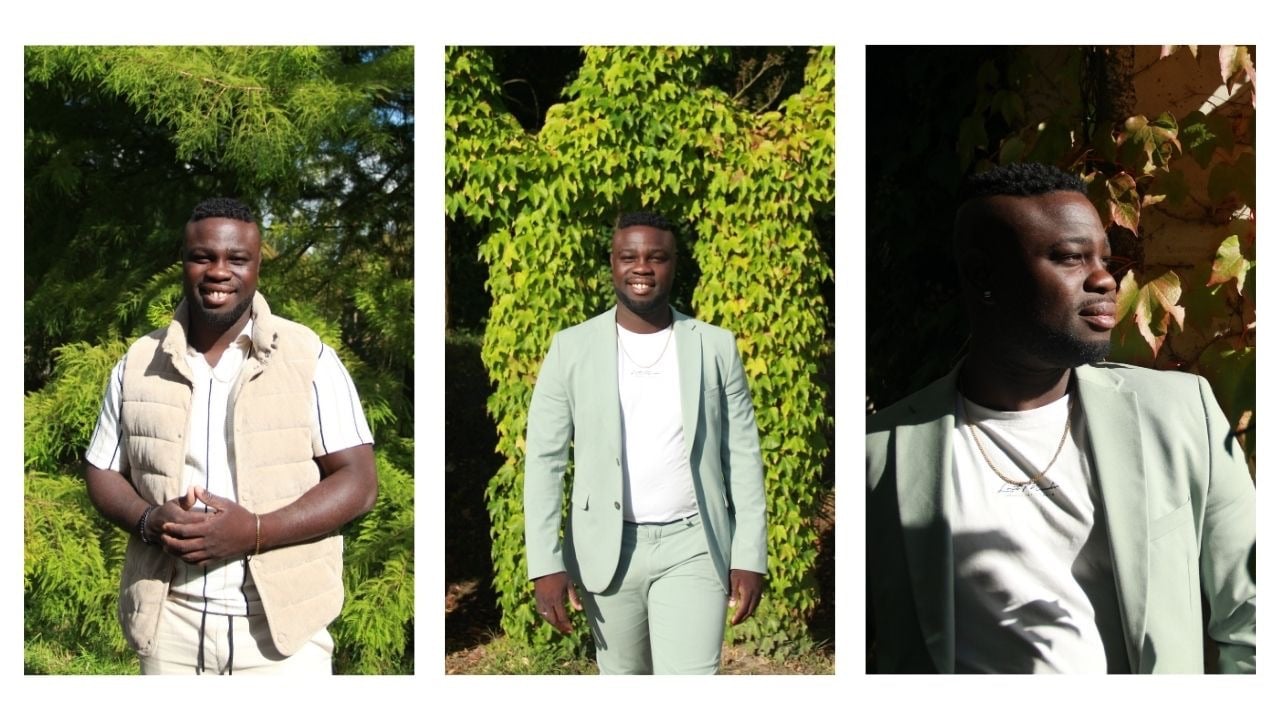
Body orientation and gaze direction guide how viewers interpret intent and emotional tone.
Left image: The subject’s torso is angled slightly, face directed toward the camera. This creates a mix of openness and attentiveness. Slight angling can signal confidence without confrontation — a common pose in professional portraiture. Hands resting calmly often indicate patience and receptivity.
Middle image: Movement toward the camera or viewer conveys initiative, confidence, and assertiveness. When a subject appears to be “approaching,” it suggests they have something to share — a body language cue often used in leadership or coaching portraits.
Right image: The face turns slightly away while the body faces forward. This combination implies thoughtfulness or reflection, as the gaze breaks the direct connection with the viewer. A soft expression reinforces contemplation or forward-thinking energy.
Part 3: Closed Body Language and the Sense of Mystery
When a subject turns away or avoids eye contact, it can create narrative distance. This invites the viewer to wonder.
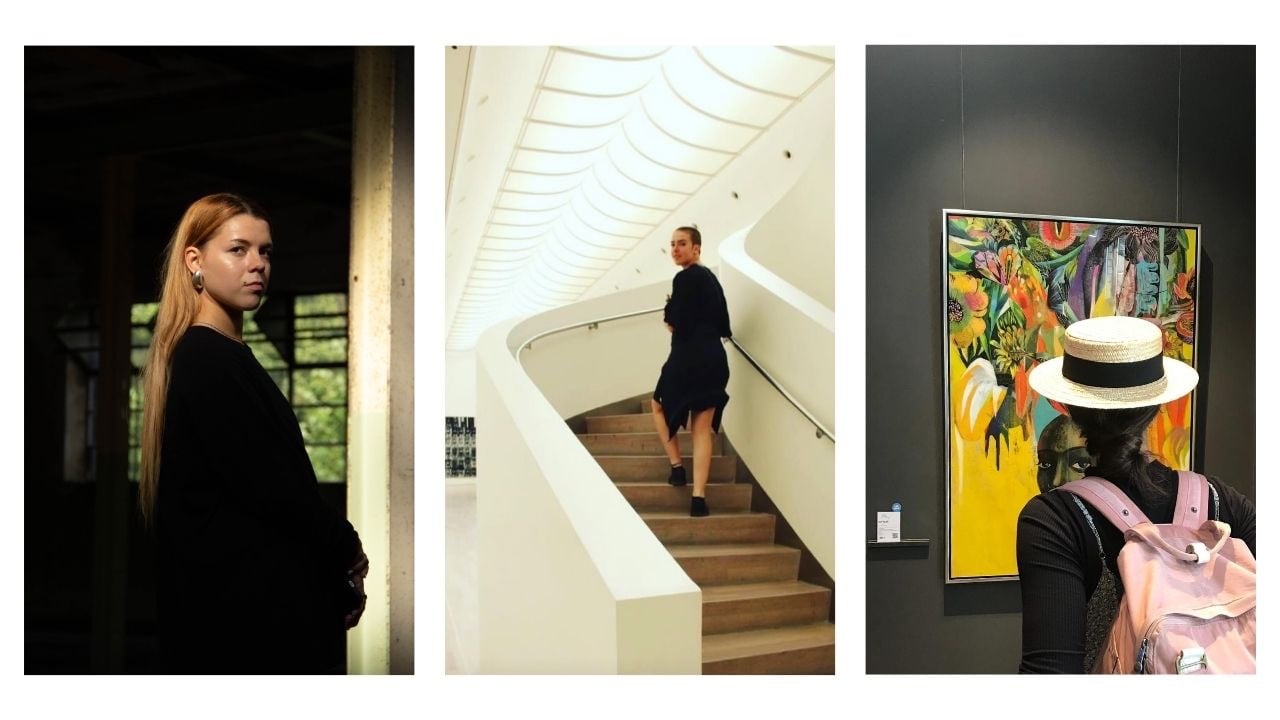
Left image: The subject, turned sideways and not engaging the viewer, projects introspection. Lack of direct gaze often enhances perceived emotional depth. High-contrast lighting intensifies this effect, emphasizing drama.
Middle image: The subject looks back over their shoulder — a classic gesture of invitation. The partial gaze draws viewers into the environment while still maintaining a sense of mystery. In visual semiotics, this is known as a “demand gaze,” implying the subject wants the viewer to follow or engage.
Right image: The subject is absorbed in their environment rather than interacting with the camera. This creates an observational, documentary feel, portraying authenticity and curiosity.
Image one is more artistic and evokes a sense of mystery around the subject, whereas the second and third images are more about the environment. Therefore more appropriate for a website or page for an art gallery, blog or cultural experience.
Part 4: The Relationship Between Subject and Environment
The subject’s position within the frame communicates their relationship to the environment.
When the subject is closer to the camera, we focus more on their emotional expression — useful for personal brands, portraits, or storytelling about an individual.
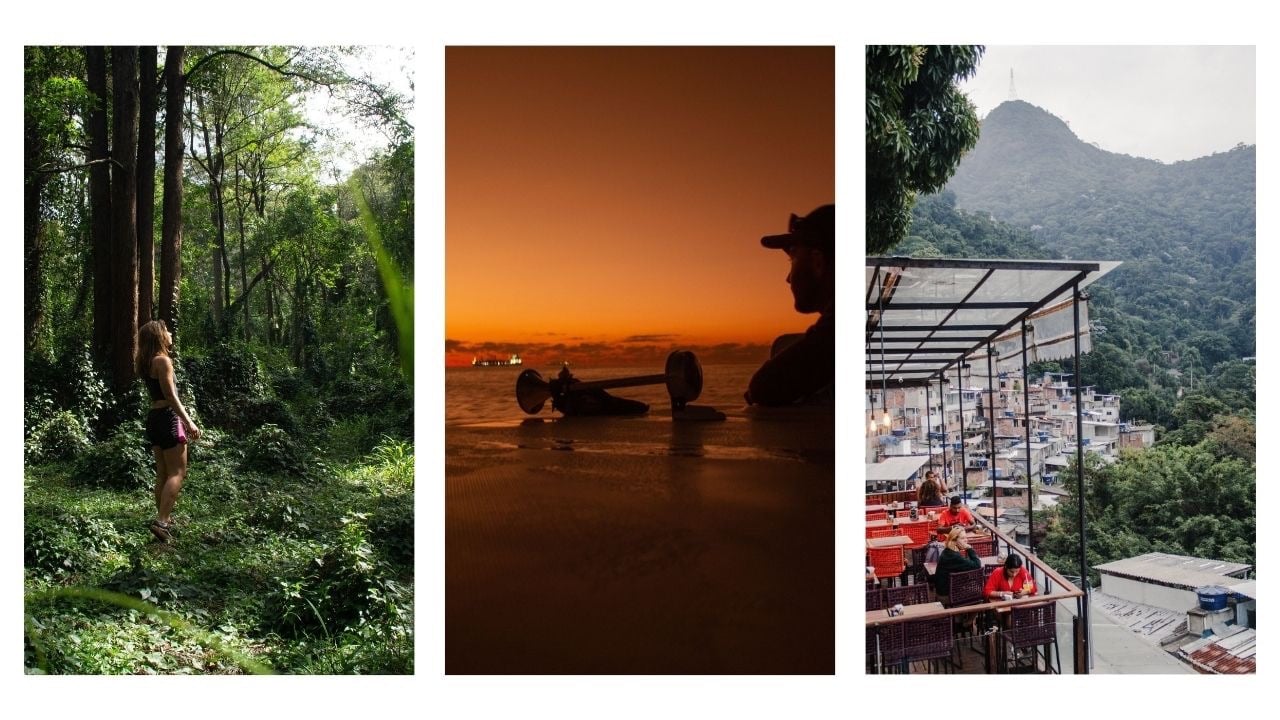
When the subject is smaller or farther, the viewer’s attention shifts to composition and context — better for travel, lifestyle, or architectural photography, where the environment carries meaning.
In the above examples:
Images 1 & 2: The subjects’ proximity shows a person engaged with their environment.
Image 3: The distant figures emphasize the layered contrast between built and natural environments, creating a more cinematic and atmospheric composition.
When planning photos for a website, brand, or portfolio, think intentionally about what you want the image to say:
Should the person appear introspective, confident, or approachable?
Is the focus on personality, environment, or the relationship between the two?
Does the pose invite the viewer in — or encourage quiet observation?
Your answers guide composition, direction, and posture choices. In photography — just as in communication — visual cues often speak louder than words left unsaid.
Contact
Connect with me.
Privacy Policy
© 2025. All rights reserved.
contact@myseastudio.com
Returns Policy